

Overview
Ngorongoro Crater is one of Tanzania’s most famous destinations, often called the “Eighth Wonder of the World.” If you love wildlife, breathtaking landscapes, and unique cultural experiences, this incredible caldera is a must-visit. At our travel company, we help travelers explore Ngorongoro safely, comfortably, and memorably while discovering its wildlife, geology, and cultural richness.
Awards & Recognition
Ngorongoro has received worldwide recognition for its natural beauty, ecological importance, and tourism experiences. Some of its prestigious accolades include:
Ngorongoro Crater’s Award Accolades
1. UNESCO World Heritage Site
- Established: 1979
- Significance: Recognized for its exceptional natural beauty and ecological significance, Ngorongoro Crater was inscribed as a World Heritage Site, highlighting its global importance.
2. World Travel Awards – Africa’s Leading Tourist Attraction
- Consecutive Wins: 2 times (2023, 2025)
Details: Ngorongoro Crater was honored as Africa’s Leading Tourist Attraction at the World Travel Awards in 2023 and 2025, underscoring its status as a premier destination for travelers seeking unparalleled natural beauty and wildlife experiences. World Travel Awards
3. Tripadvisor – Travellers’ Choice Best of the Best Awards
- Recent Recognition: 2025
Details: In 2025, Ngorongoro Crater was ranked among the Top 10 attractions in Africa by Tripadvisor’s Travellers’ Choice Best of the Best Awards, based on authentic traveler reviews and experiences. Daily News Tanzania
4. World Travel Awards – World's Leading Tourist Attraction (Nominee)
- Recent Nominations: 2024, 2025
Details: Following its regional success, Ngorongoro Crater was nominated for the World’s Leading Tourist Attraction in 2024 and 2025, competing with global landmarks for the top honor. World Travel Awards
5. Tanzania's Leading Destination
- Awarded: 2025
Details: In 2025, Tanzania was recognized as Africa’s Leading Destination at the World Travel Awards, with Ngorongoro Crater playing a significant role in this achievement.
The landscape of Ngorongoro
The Ngorongoro Crater is part of a larger conservation area that includes forests, savannahs, grasslands, and volcanic highlands. The crater itself is the jewel of the landscape, but the surrounding area also offers incredible scenery:
Crater Floor
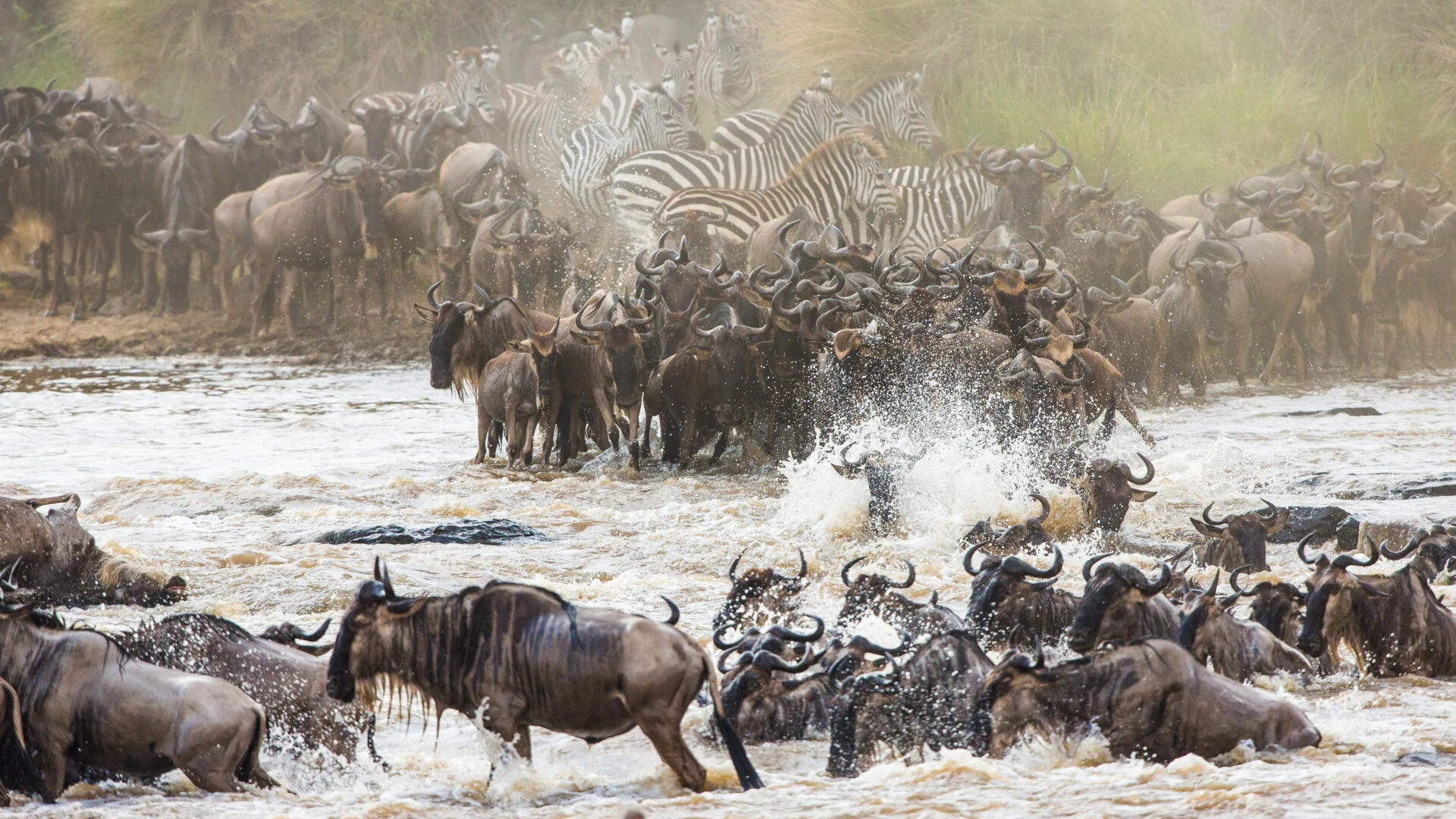
The bottom of the crater is a wide, open plain with lush grasslands, swamps, and a soda lake. It is home to a high density of wildlife, making game viewing easier than in other national parks.
Crater Rim
The rim rises about 600 meters above the crater floor. From here, you can enjoy panoramic views of the caldera below. The rim also hosts the Ngorongoro Crater Lodge, a luxurious lodge with breathtaking views
Highland Forests
Surrounding the crater are dense forests and rolling hills. These areas are quieter and are home to unique bird species and smaller mammals.
Activities to do
Whether you’re a first-timer or a seasoned explorer, Serengeti offers unforgettable experiences:
1. Game Drives
Game drives take you into the crater floor in an open safari vehicle. The dense animal population makes spotting wildlife easier than in larger parks. Guided drives teach you about animal behavior, tracking, and ecology, making your safari educational as well as exciting.
2. Crater Viewpoints
3. Walking & Nature Trails
While most exploration is by vehicle, some areas around the crater rim offer short walking trails. Guided walks reveal bird species, unique plants, and scenic viewpoints. Walking gives you a deeper connection to the landscape and its ecology.
4. Photography
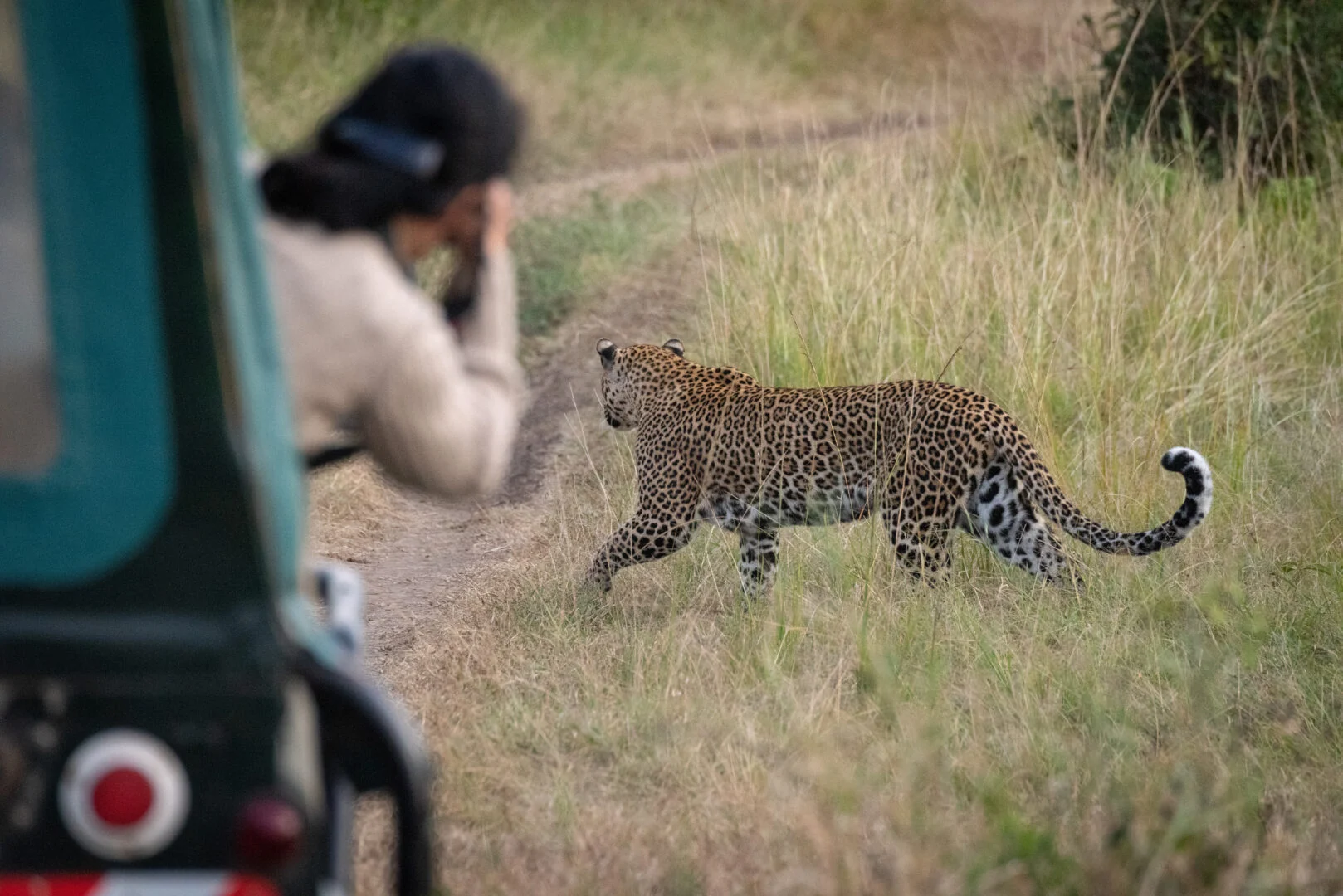
Ngorongoro is a photographer’s dream. The combination of wildlife, volcanic landscapes, and dramatic lighting provides endless opportunities. Morning and late afternoon drives offer the best light, while the crater floor gives close-up shots of predators and prey interacting naturally.
5. Cultural Visits
Visiting Maasai villages and eco-tourism projects adds a cultural layer to your safari. Guests learn traditional crafts, songs, and dances, and sometimes participate in community activities. These tours help travelers understand the people who share the land with wildlife.
Best Time to Visit
December - March
Calving season in the crater floor; high predator activity.
April - June
Mild rains; the landscape is green, and wildlife is active.
July - October
Dry season; best time for photography and seeing animals in concentrated areas.
November
Short rains; fewer tourists, and landscapes are refreshed.
For photographers, the best light is from June to October, while January to March provides amazing calving season scenes.
How to get there
By Road
Ngorongoro is about 3 to 4 hours’ drive from Arusha. The drive passes through scenic landscapes, including the Arusha National Park and the Ngorongoro Highlands. Many travelers combine Ngorongoro with a Serengeti safari or visits to Lake Manyara.
By Air
Ngorongoro is about 3 to 4 hours’ drive from Arusha. The drive passes through scenic landscapes, including the Arusha National Park and the Ngorongoro Highlands. Many travelers combine Ngorongoro with a Serengeti safari or visits to Lake Manyara.