

Overview
Serengeti National Park is one of Africa’s most famous wildlife destinations and the heart of Tanzania’s safari experience. If you have ever dreamed of seeing lions roam freely, elephants grazing under wide-open skies, or witnessing the Great Wildebeest Migration, the Serengeti should be at the top of your travel list. At our travel company, we love helping travelers explore this magical place safely and comfortably while discovering its wildlife, landscapes, and rich culture.
Africa's Most Famous Wildlife Destination
The Serengeti sits in northern Tanzania, stretching from the Ngorongoro Highlands all the way to the Kenyan border, where it connects with the Maasai Mara Reserve. Its name comes from the Maasai word Siringet, meaning “endless plains.” When you arrive, that name makes immediate sense.
This is not simply a park. It is one of Earth’s last places where nature still operates entirely on its own terms, at its own scale, without interruption. Over 70 species of large mammals and around 500 bird species call this ecosystem home year-round.
“The Maasai called it Siringet, the endless plains. Stand here at dawn and you will understand immediately why.”
The Landscapes of Serengeti
One of the things that makes the Serengeti special is its variety of landscapes. Each region of the park has its own unique beauty and wildlife experiences. No matter where you go, each part of the Serengeti offers a new adventure and a different way to experience the park’s natural beauty.
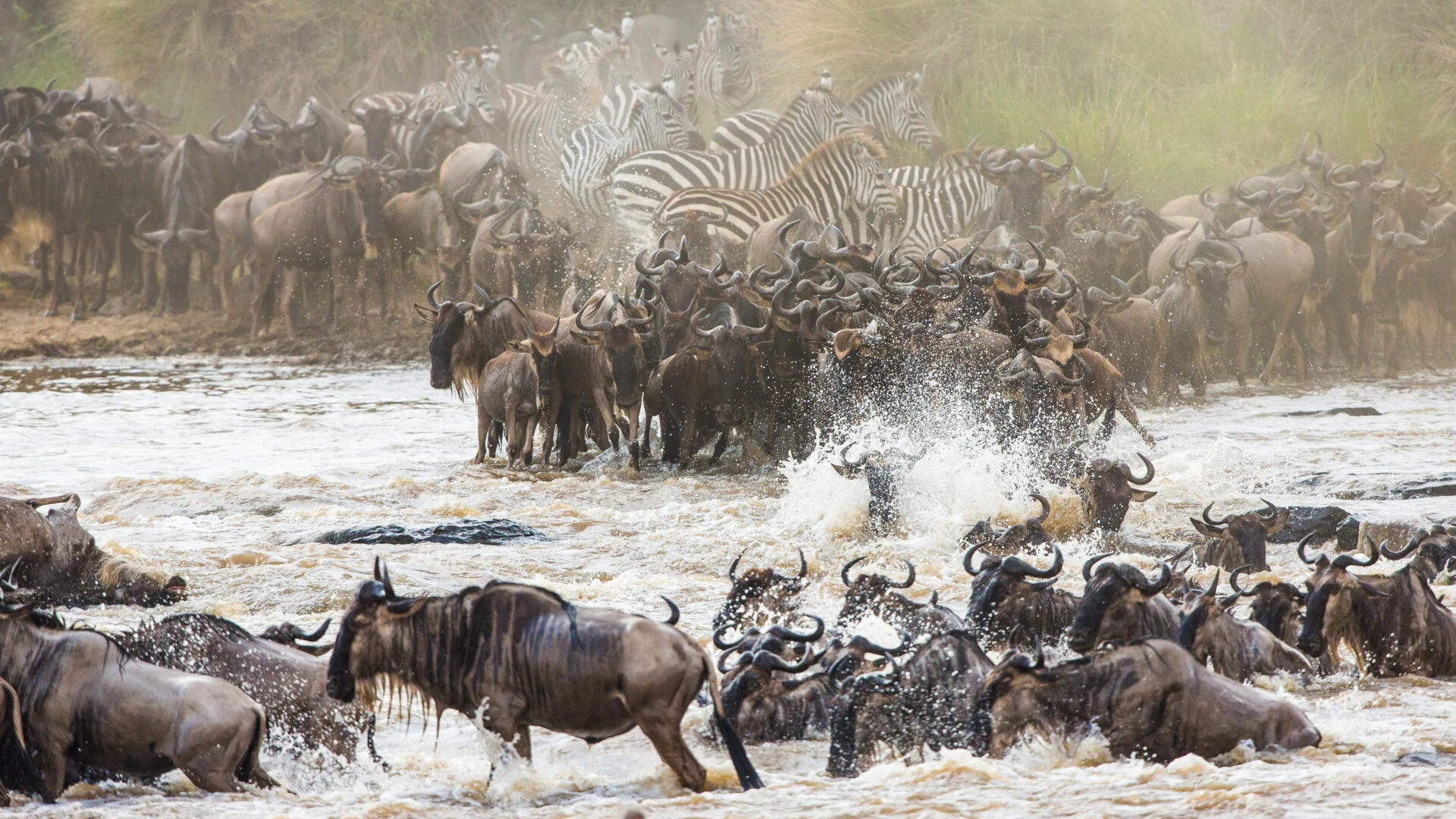
Northern Serengeti
This quieter area is known for the Mara River Crossing, which happens from July to October. Rolling hills, acacia forests, and fewer crowds make it perfect for photography and peaceful wildlife viewing.
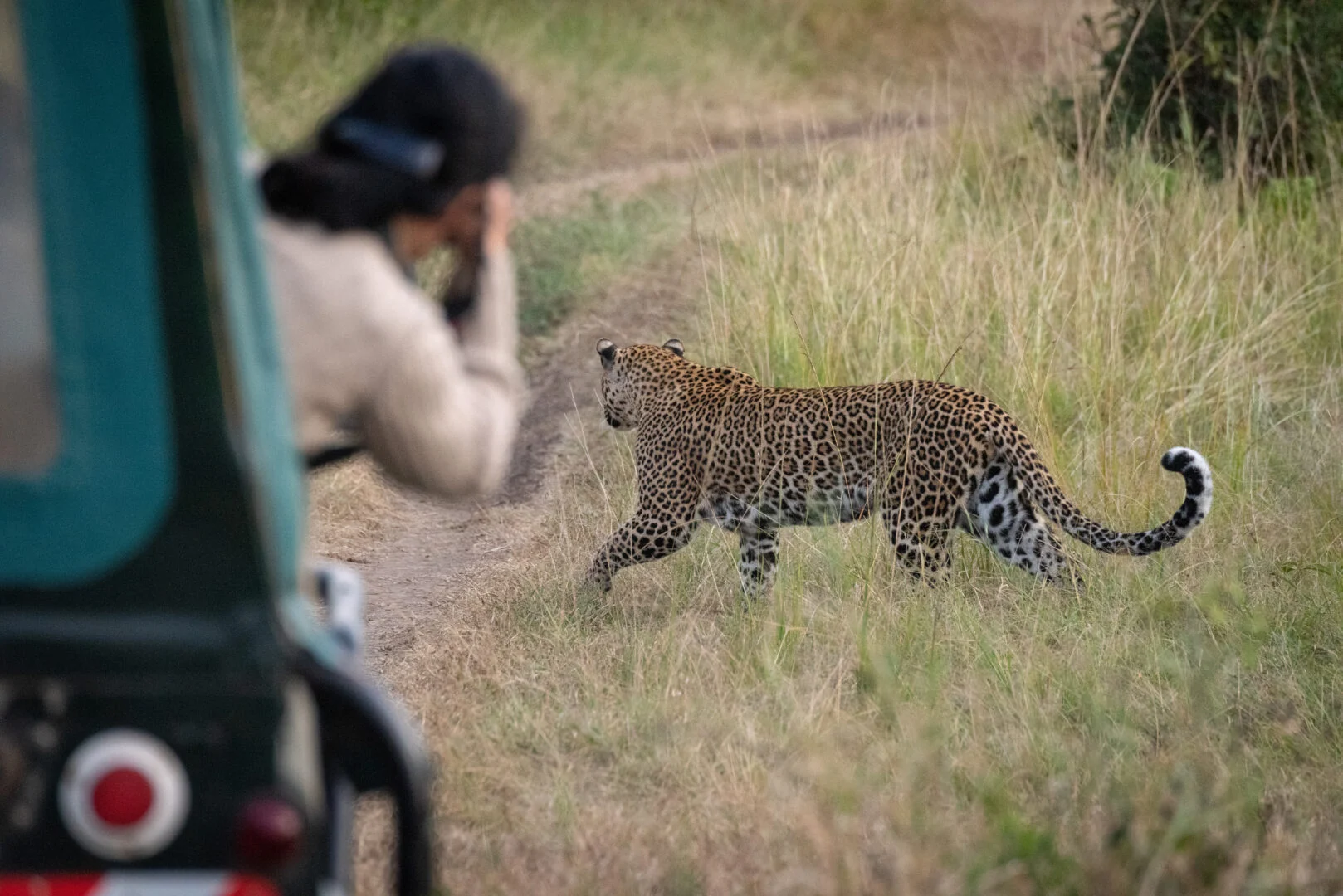
Central Serengeti (Seronera Valley)
Permanent rivers attract lions, leopards, and elephants year-round. The highest leopard density in East Africa is right here. This is the Serengeti most people picture, and it earns that reputation daily.
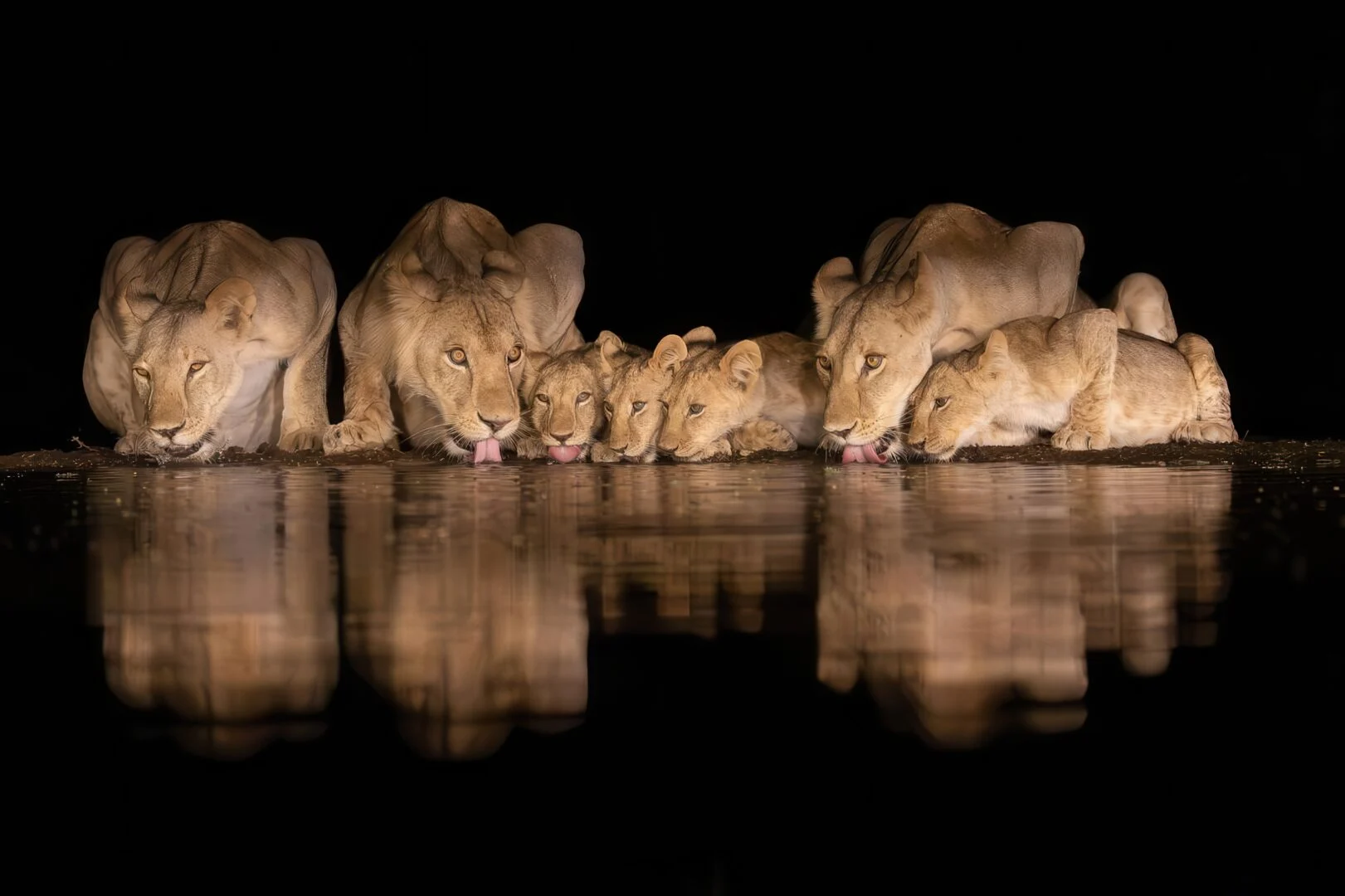
Southern Serengeti
December to March, over 500,000 wildebeest calves are born on these open plains. Predators follow. The scenes here are among the most emotionally powerful in all of East Africa.
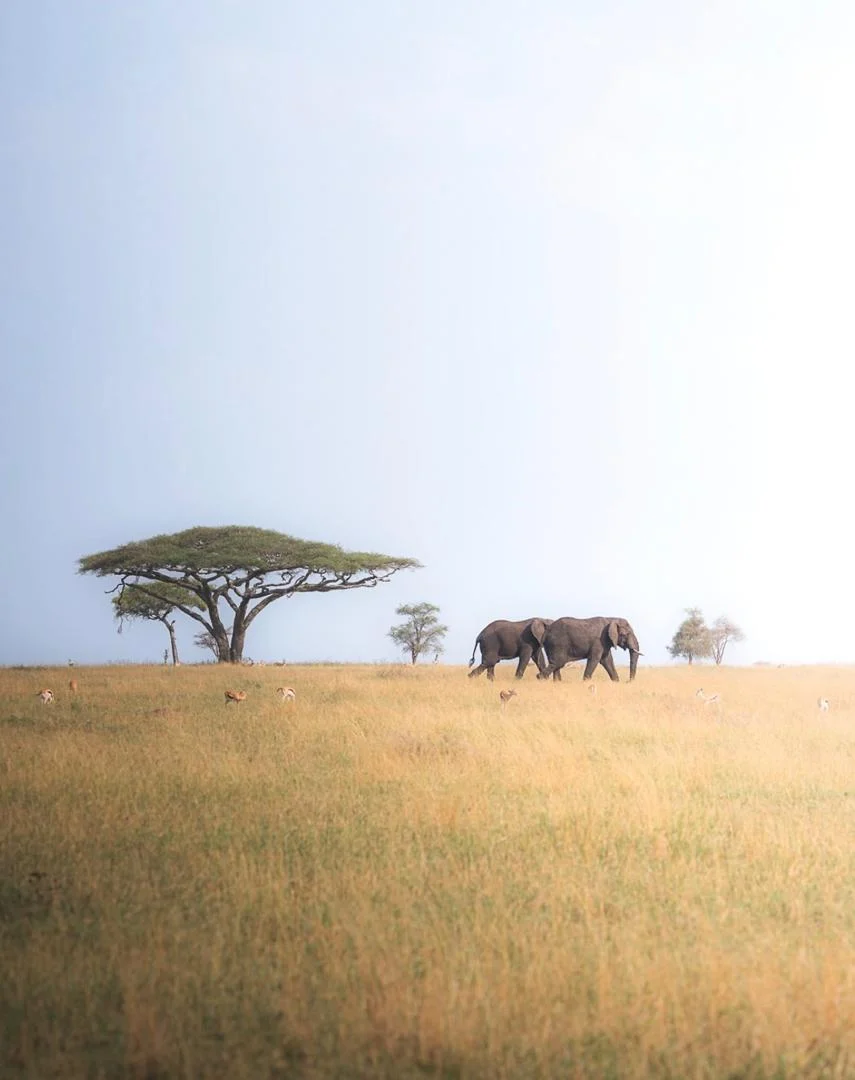
Western Corridor
Rolling hills, wooded riverbanks, and the Grumeti River's resident Nile crocodiles. The first major migration crossing happens here, with a landscape that rewards wide-angle photography as much as wildlife shots.
Activities to do
Whether you’re a first-timer or a seasoned explorer, Serengeti offers unforgettable experiences:
1. Game Drives
Twice-daily game drives in our custom pop-up 4WD vehicles. Timed to capture the golden hour light your guide knows produces the best wildlife encounters. Charging ports, binoculars, snacks, and cold drinks always included.
2. Hot Air Balloon Safari
Float silently above the Serengeti plains before sunrise, watching herds of animals move below as first light crosses the grassland. Tanzalight arranges and includes balloon safaris in our packages, followed by a champagne breakfast in the bush. There is nothing like the scale of this place seen from the air.
3. Walking Safari
4. Serengeti Sunset
The Serengeti sky at dusk is something photographs cannot fully capture. Orange deepens to pink, pink fades to purple, and the plains fall quiet. Many of our selected lodges offer sundowner experiences where you watch this happen with a drink in hand and no city lights in any direction. It is where most of our guests say the trip became real to them.
5. Dedicated Photography Drives
Drives scheduled around the 20-minute golden hour window that professional photographers know produces the most powerful wildlife images. Your guide adjusts vehicle positioning specifically for your shot. Slow-paced, patient, and built around light conditions rather than a fixed route.
Best Time to Visit
December - March
Calving Season in the south. Predators are active, and thousands of baby wildebeests are born.
April - June
Migration moves west. The landscape is green, and wildlife is abundant.
July - October
River crossings in the north at Mara River. Dry weather makes wildlife easier to spot.
November
Short rains refresh the plains, and wildlife begins returning south.
For photographers, the best light is from June to October, while January to March provides amazing calving season scenes.
How to Get to Serengeti
One of the things that makes the Serengeti special is its variety of landscapes. Each region of the park has its own unique beauty and wildlife experiences. No matter where you go, each part of the Serengeti offers a new adventure and a different way to experience the park’s natural beauty.
By Road
From Arusha, the safari capital of northern Tanzania, the drive takes 7 to 8 hours. The route passes through scenic areas like the Ngorongoro Conservation Area, giving travelers their first glimpse of Tanzania’s beautiful landscapes.
By Air
For comfort and speed, daily flights from Arusha, Kilimanjaro, or Zanzibar land at Serengeti’s airstrips, such as Seronera, Kogatende, and Ndutu. Flying offers a bird’s-eye view of the plains and saves time for more safari activities.